Two Drinks, One Aunty: The Desi Open Mic Where the Jokes Are Just the Icebreaker
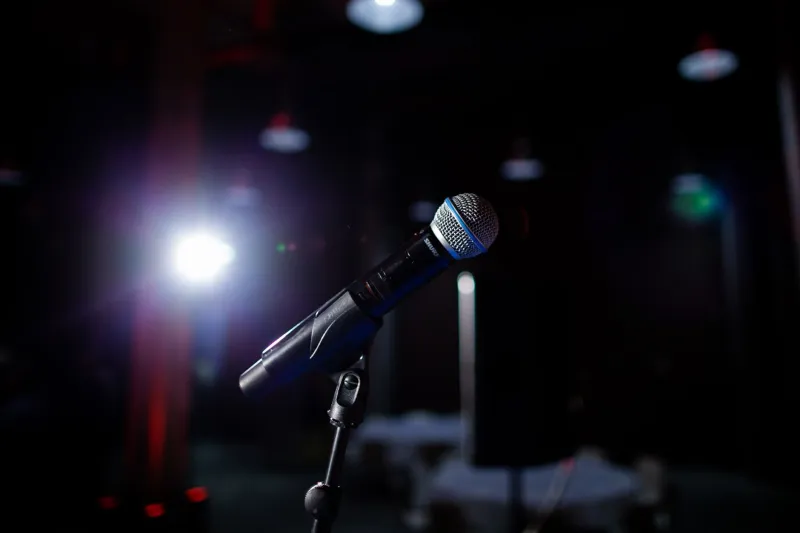
On a Thursday in Edison, New Jersey, the line for a South Asian comedy night wraps past the Patel Brothers and the Chase bank. Inside, the room smells like cardamom and cheap beer. A comic onstage is doing a bit about the 'good desi kid' contract: straight A's, no sleepovers, and a curfew that somehow expires at 11:47 p.m. because your dad negotiated it like a ceasefire. The crowd doesn't just laugh. It groans in recognition.
Welcome to the desi open mic, the sold-out suburban cousin of the comedy club. These nights are popping up everywhere—Edison, Dallas, the Bay Area, pockets of Atlanta and Chicago—and they are not exactly underground anymore. They sell out faster than a cousin's mehndi slot. Organizers in Dallas say their last three shows had waitlists longer than the line at an Indian grocery store on a Sunday. In the Bay Area, comics report doing sets in front of 200 people who all know what it means when someone says 'we're having people over' and it turns out to be 40 aunties.
The format is simple: five to seven comics, a host who can read the room, and a venue that serves drinks. But the vibe is something else. It feels less like a comedy club and more like a temple potluck where someone finally said the quiet parts out loud. You know, the parts about curfews, cousins, arranged-marriage aunties, and the weird grief of being the first person in your family to try therapy.
The Room Knows the Punchline Before You Do
'When I do a curfew joke at a regular club, I have to explain it for 90 seconds,' says Ayesha Mehta, a comic who runs a monthly night in Dallas. 'Here, I say 11:47 and the whole room loses it. They know. They've lived it. The joke is just a receipt.'
That's the thing about these rooms: the comedy is specific, but the recognition is universal. A bit about a cousin who got married in three weeks and is now a life coach hits because everyone has that cousin. A joke about an aunty who asks 'beta, how much do you make?' before you've even taken off your shoes lands because everyone has that aunty. The material isn't just about being South Asian. It's about being South Asian in America, where you're too desi for the office and too American for the family group chat.
Organizers say the crowds are mixed—Gen Z kids in baggy jeans, millennial couples on date night, and the occasional uncle who came to judge and stayed to laugh. 'We get aunties who come up after the show and say, I didn't know we could joke about that,' says Raj Patel, who co-runs a Bay Area night called Aunty Assembly. 'That's the win. Not just the laughs. The permission.'
Curfew Jokes Are Load-Bearing
The comedy is not always soft. Comics are using these stages to talk about divorce, queerness, colorism, and the pressure to be a doctor-lawyer-engineering trifecta. But they're doing it with a wink, not a lecture. The best sets feel like a friend roasting you at a wedding: brutal, loving, and weirdly healing.
'My therapist is expensive,' says comedian Neel Shah, who performs in Edison and Brooklyn. 'This room is cheaper. I get to say the thing, the audience laughs, and for a second we all feel less alone. Then I go home and my mom asks why I'm not married.'
That's the two-drink minimum at work. It's a cover charge for community therapy. You pay for a drink, you get a room full of people who understand why you flinch when someone says 'beta, come here.' The laughs are the point, but they're also the vehicle.
Why the Suburbs, Why Now
You might think comedy belongs in cities—basements in Manhattan, black-box theaters in LA. But the desi open mic boom is happening in suburbs like Edison, Plano, and Fremont, where the Indian grocery stores are bigger than the comedy clubs. Organizers say that's exactly why it works. These are the places where the diaspora actually lives, where the aunties and the cousins and the curfews are. You don't have to drive into the city to be seen. You just have to show up in the strip mall next to the chaat place.
'There's something about being in a room that's five minutes from your parents' house,' says Mehta. 'You can joke about your mom and then go eat dinner with her. That's the whole experience.'
The Aunty in the Back Is the Real Headliner
If you go to one of these nights, look for the aunty in the back who came because her daughter dragged her. She'll have her arms crossed for the first two comics. By the third, she's laughing. By the end, she's telling the comic he should be a doctor.
That's the magic. The desi open mic isn't just for the kids who grew up sneaking out. It's for the parents who never knew what their kids were laughing about. It's a translator. It's a group chat with a stage. It's a temple potluck with a two-drink minimum—and honestly, that's the most desi thing of all.
So yes, the shows are selling out. But the real story isn't the waitlist. It's what happens after the set, when strangers linger by the bar and trade stories about their own curfews. The mic goes dark, the lights come up, and for a minute the room feels like family. The kind you choose. The kind that lets you joke about the other kind.