The $85 Dinner Where Nobody Asks What You Do: Inside the Desi Supper Club Boom
There's a line outside a converted warehouse in Gowanus at 7:40 on a Thursday, and it is not a line for a club. It's a line for dal.
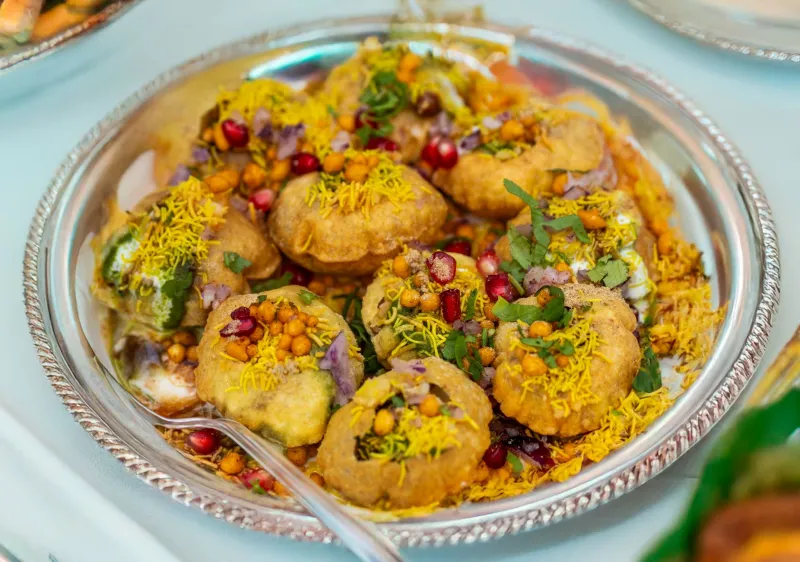
Two hundred people RSVP'd for sixty seats. The host — a 29-year-old who does product design by day and makes her grandmother's Sylheti-style beef curry by night — is in the back arguing with a rented chafing dish. Her cousin runs the seating chart off an iPad. Somebody's mother is on FaceTime, supervising the pholourie.
Welcome to the desi supper club, the most unexpectedly earnest night out of 2026.
From Basement Potluck to Waitlist
The old model was simple. Somebody's parents went to India for three weeks, somebody's basement had a ping-pong table, and forty people showed up with a tray of samosas from the place off the highway. You knew everyone. You ate standing up. You left by 9:30.
The new model has a ticketing page, a posted menu, a seating chart, and a group chat that gets archived the second dessert is cleared. The difference isn't aesthetics — it's intent. The potluck was a way to see people you already knew. The supper club is a way to meet people you don't, over food specific enough to break the ice on its own.
In Jersey City it's Sindhi kadhi and sai bhaji. In Houston a host runs a Chettinad menu that has half the table Googling kalpasi under the table. On Devon Avenue in Chicago, a Bengali fish dinner every six weeks stopped taking new names because the waitlist itself quietly became a group chat. Los Angeles, Dallas, Atlanta, Seattle, the stretch of New Jersey that everyone pretends is not New Jersey — the map is filling in fast.
What Your Ticket Actually Pays For
Prices run roughly $65 to $145 a head, depending on the menu and whether someone's renting a real kitchen. Hosts will tell you, unprompted, where it goes: groceries, dishware, insurance, a space that isn't their apartment, and — the line item everyone forgets — labor.
“People will drop $120 on a tasting menu downtown and then blink at $75 for food that took someone's aunt three days,” one host told me, mid-plating. She wasn't wrong. There's a whole subtle negotiation happening around what diaspora food is “worth” when it's not served under a heat lamp with a name like “Street Style.”
It's also why so few of these dinners look like restaurants. Cottage food laws, permitting, and health codes vary wildly by state, so most hosts run as private, invite-only gatherings — or partner with an existing restaurant, a community center, a gallery, a friend's bakery that closes at 4 p.m. If you see a desi supper club operating out of a legitimate commercial kitchen, that host did homework you will never see.
The Third Space Has a Table in It
The phrase “third space” gets thrown around a lot, but this is what it actually looks like: not home, not work, not a bar so loud you're lip-reading. Bars are expensive and loud. Weddings are a family obligation with a dance floor. House parties mean answering “so, when are you settling down?” from an aunty with a long memory and a longer reach.
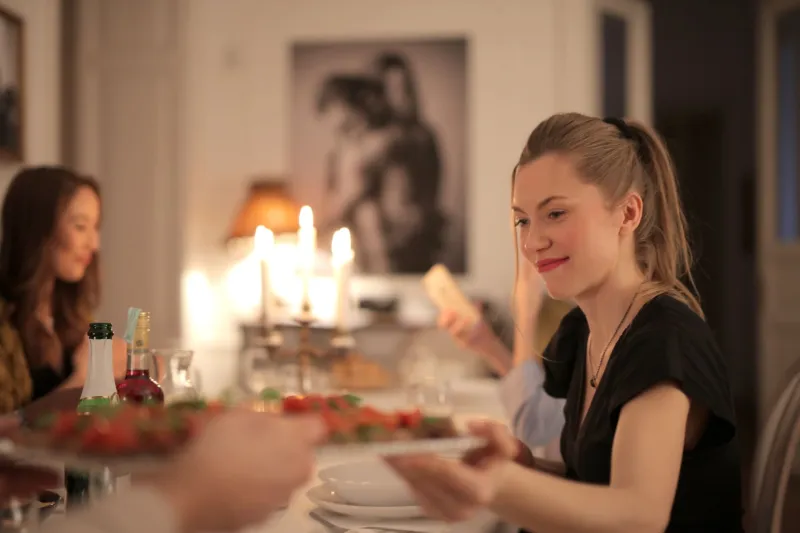
The supper club threads a very specific needle. You don't have to explain the food. You also don't have to explain yourself. Strangers get seated next to strangers on purpose. Some hosts hand out index cards with a prompt — “what's a dish your family argues about?” — and it works embarrassingly well.
And then there's the storytelling. Ten minutes in, the host stands up and explains where the dish is from, whose kitchen it came out of, and why the recipe is written in cups and vibes. In a country that keeps flattening an entire subcontinent into “Indian food,” a five-minute monologue about a specific coastal community's coconut grinder is quietly political. It's also just good dinner conversation.
Not Every Table Deserves Your Card
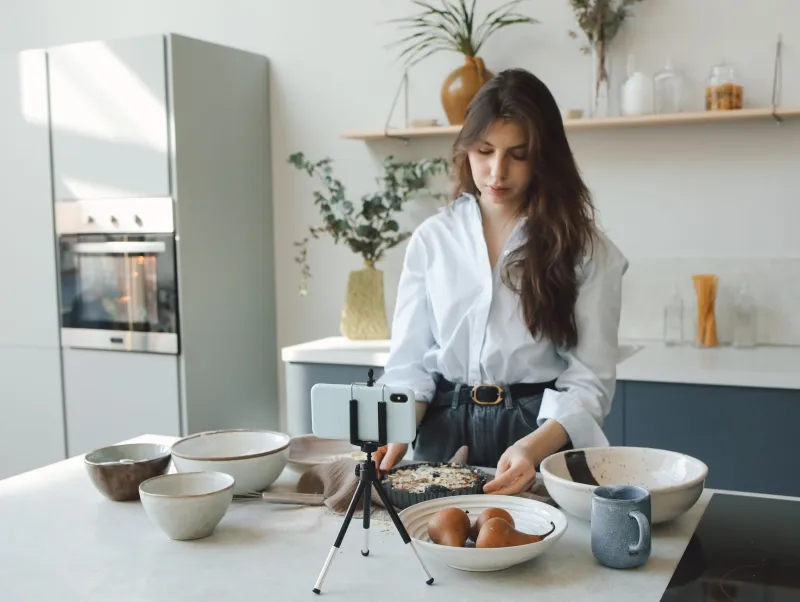
The boom has a downside, and everyone in it knows. Some dinners are less supper club and more content shoot with a curry in the background. Some hosts are running a restaurant without a license and charging for it. Some seating charts get extremely cliquey, and you can feel the LinkedIn energy radiating off table four.
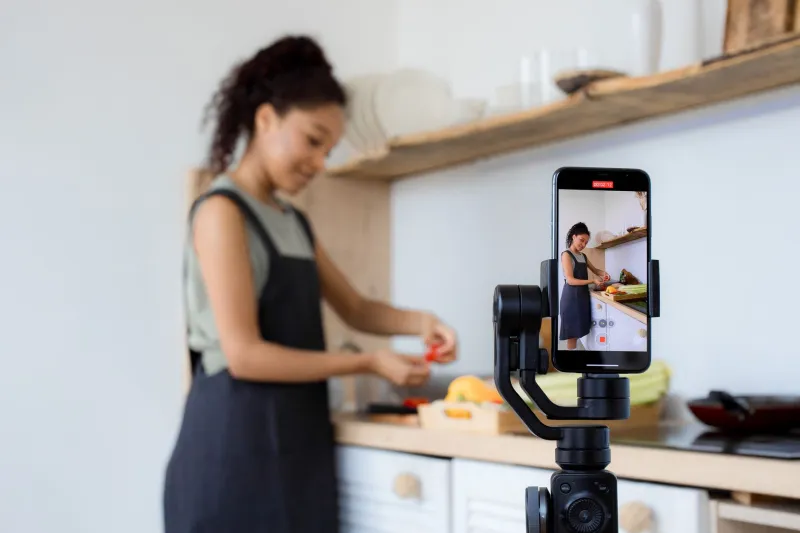
The tell is usually the same: hosts who want to be chefs more than they want to be hosts. A good table has someone in the room who is genuinely worried about whether you're having a good time. A bad one has a photographer blocking the naan.
How to Actually Get a Seat
The mechanics are unglamorous. Follow the hosts directly — most operate off Instagram and a newsletter, not a big platform. Tickets show up on Partiful, Resy, Tock, and Eventbrite. Small batches, short windows, no drama. Bring cash for a tip jar if there is one. Don't ask for substitutions. Show up on time. Clear your plate. Follow up afterward with something other than a request to collab.
And if you're the host reading this: don't oversell. Sixty warm people in a rented gallery beats two hundred in a warehouse with bad acoustics every single time.
Because the real product here isn't the food, no matter how good the food is. It's the hour afterward, when somebody's grandmother's recipe is sitting in front of a table of strangers who are no longer strangers, and everyone's phone is face-down and nobody's asking a single person what they do for a living.
That's the thing worth $85.