The Sangeet Is the New Season Premiere: How Desi Weddings Became the Internet’s Favorite Family Drama
Somewhere between the mehndi and the reception, a cousin pulls out a phone, clips a mic to a sherwani, and the wedding stops being a private family event. It becomes a pilot. In 2026, South Asian American weddings are not just content-friendly — they are content engines. The sangeet has choreography, the baraat has blocking, and the dance floor has a shot list. And the diaspora is watching.
At Bhumirai, we’ve been tracking this shift for a while. What used to be a cousin filming the first dance on a cracked iPhone has become a full-blown ecosystem: wedding content creators, planners who build social media into the run of show, DJs who think in hooks, and couples who have to decide how much of their love story belongs to the group chat.
The Cousin With the Gimbal
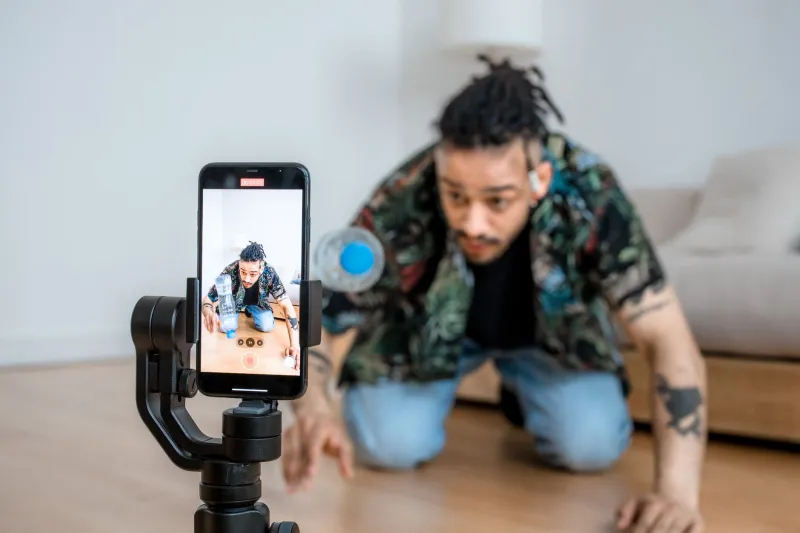
Every desi wedding has a cousin who is suddenly a director. In 2026, that cousin might have a gimbal, a lav mic, and a very specific vision. Wedding content creators are now a recognized vendor category, especially in places like Edison, New Jersey; Frisco, Texas; the Bay Area; Atlanta; and Chicagoland. They aren’t replacing the photographer. They’re making the vertical, fast, funny version of the weekend that lives on Instagram and TikTok.
The appeal is obvious. A traditional wedding film takes weeks. A Reel of the bride’s cousins doing a chaotic sangeet transition can be up before the chai gets cold. For a young diaspora audience, these clips feel like home videos with better lighting. You see the inside jokes, the aunty who steals the dance floor, the dad who cries during his speech and then pretends he didn’t. It’s not just entertainment. It’s recognition.
But the camera changes the room. Once a wedding is designed for clips, the quiet moments start competing with the content moments. A couple has to decide: do we want the first look to be private, or do we want the reaction shot? Do we invite the content creator into the getting-ready suite, or do we keep that space for family? The most interesting weddings in 2026 aren’t the ones with the most footage. They’re the ones where the couple has a clear point of view about what stays off camera.
Privacy in a Vertical Frame
This is where the family expectations get complicated. Desi weddings are communal by design. Parents want to share the joy, aunties want to see every outfit, and cousins want to be tagged. But communal doesn’t mean consent-free. Couples are increasingly writing content boundaries into their planning: no phones during the ceremony, no posting until the couple announces, no filming younger cousins, no monetizing family members without a conversation.
Some planners now build “content windows” into the schedule — a twenty-minute slot for the creator to capture the details, the dance practice, the bridesmaids’ chaos — and then the phones go away. It sounds corporate, but it’s actually a relief. It gives the family permission to be present instead of performing.
The privacy conversation is also generational. For many immigrant parents, sharing wedding photos with the extended family is the whole point. For the couple, the internet is not the extended family. It’s a public square with comments. The tension isn’t about secrecy. It’s about scale. A photo that would be fine in a WhatsApp group of forty relatives can become a weird discourse thread when it’s posted to 400,000 followers. The couples handling this well are the ones who talk about it early — not after the mehndi video goes viral.
The DJ Is Now a Content Director
The DJ booth has become a control room. In 2026, the best South Asian American wedding DJs aren’t just reading the room; they’re reading the feed. They know which sangeet medley will translate into a fifteen-second clip. They know when to drop the Bollywood classic, when to switch to Punjabi pop, and when to let the dhol do the emotional labor.
Some DJs now work with couples on a “content arc” for the weekend: a grand entrance, a dance-floor moment, a family performance, a late-night surprise. That sounds staged, and sometimes it is. But the good ones leave room for the unplanned stuff — the grandma who starts dancing, the cousin who falls, the dad who gives a speech that makes everyone cry. The viral moments people actually remember are rarely the polished ones.
Planners are also thinking like producers. They coordinate with content creators so the photographer, videographer, and phone person aren’t all fighting for the same angle. They create shot lists that include family portraits and candid moments, not just aesthetic flat lays. The result can feel more intentional, but also more pressure-filled. A wedding is already a performance for family. Now it’s a performance for strangers, too.
Monetization Without Selling Out the Family
Here’s the part nobody puts in the caption: wedding content is a business. Couples with large followings are getting brand deals for their weddings — jewelry, fashion, skincare, even wedding-planning apps. Content creators are charging day rates. Some weddings are partially funded by sponsored posts.
That’s not automatically bad. Desi weddings are expensive, and if a couple can offset costs by working with brands that actually fit their lives, fine. The problem is when the wedding starts to feel like a brand activation with a mandap in the background. Guests notice when they’re being used as background extras. Family notices when the content creator gets more access than they do.
The couples navigating this well tend to follow a few rules: disclose sponsorships clearly, don’t force family members to participate in ads, and keep at least one part of the weekend completely offline. Monetization works when it’s honest. It fails when it turns a sacred ceremony into a set.
The New Family Album
The South Asian American wedding content boom isn’t going away. If anything, it’s getting more sophisticated. The next wave isn’t just about going viral. It’s about building a family archive that feels true to the people in it — messy, funny, tender, and a little unhinged.
The best wedding content doesn’t flatten your family into a plot. It lets them be people. It shows the aunty who organized the whole thing, the cousin who learned the choreography at 2 a.m., the mom who fixed your dupatta and then fixed your makeup. That’s the stuff the diaspora actually needs. Not another perfect transition. A reminder that we were there, together, and someone had the sense to hit record.