The Chudail Doesn't Need a Costume: How Desi Horror Got Its Teeth Back
You know the warning. Don't stay out after dark. Don't answer if someone calls your name from the balcony. Don't look at the woman in the white sari, because her feet are facing backward. For a lot of South Asian kids, the chudail wasn't a movie monster. She was a kitchen-table threat, delivered by a grandmother who didn't blink.
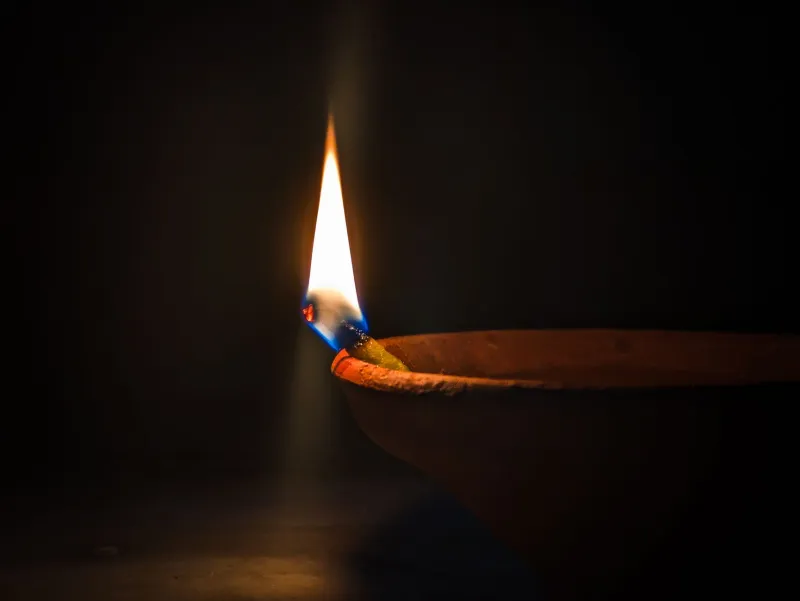
In 2026, that threat has a hashtag. Chudail core is everywhere: henna-dark nails, oil-lamp lighting, mirrored ceilings, a slow pan across an empty hallway. On TikTok, creators film POV skits where the jinn is a roommate who won't pay rent. On podcasts, hosts spend hours untangling regional monster lore. On streaming, South Asian horror has moved from niche import to algorithm bait. The aesthetic is having a moment. The question is whether the fear survives the remix.
From Kitchen Warnings to the For-You Page
The first wave was comedy. Desi kids who grew up hearing about jinns started making videos about jinns who were also annoying cousins. A chudail who just wants you to eat something. A pret who haunts the group chat. The jokes worked because the fear was real. You can only laugh at the thing that used to make you sleep with the lights on.
Then the aesthetic got darker. Chudail core borrows from regional horror cinema—the damp courtyards, the flickering tube lights, the sound of a woman crying in a room you swore was empty. It's less about gore and more about atmosphere. The internet loves a mood board. This one comes with a warning.
Why the Chudail Scares the Kids Who Never Saw Her
Here's the twist: the diaspora kids driving this trend often never heard these stories in a structured way. They got fragments. A warning here, a cousin's creepy story there. There was no canon, no franchise, no Wikipedia entry that matched what their grandmother said. So when they encounter a chudail on screen, they're not comparing it to a previous version. They're filling in the blanks themselves. That's terrifying.
Western monsters come with rules. Vampires hate garlic. Werewolves hate silver. The chudail is less tidy. She's a woman who was wronged, or a woman who died badly, or a woman who never got to be a woman at all. Her horror is domestic. She's in the house. She's in the family. She's the thing you were told not to become. For a US-born audience raised on jump scares, that kind of dread feels weirdly fresh—and weirdly familiar.
Streaming and Podcasts Are Doing the Archival Work
The mainstreaming isn't only aesthetic. Podcasters are tracing regional monsters back to specific villages and languages: the Yakshi of Kerala, the Nishi Daak of Bengal, the Brahmrakshas that guards the tree. Filmmakers are revisiting the 2018 film Tumbbad and the 2020 film Bulbbul not as curiosities but as blueprints. The best creators are consulting folklorists, keeping the regional details intact, and refusing to turn every monster into a generic ghost.
That matters. Because the difference between homage and cosplay is context. A chudail costume with fake blood and a bindi is not the same as a chudail story about a woman who was erased. One is an accessory. The other is a memory.
The Risk: Aesthetic Without Ancestry
Every folklore boom has a flattening phase. Halloween stores sell 'desi ghost' makeup. Pinterest boards strip the story and keep the sari. That's the moment to be careful. The chudail isn't a sexy nurse. She's a cautionary tale about how women get treated, how families keep secrets, how a community decides who gets to be mourned. If the trend forgets that, it becomes another costume.
But the creators who are doing it right know the difference. They're making horror that is specific—a Bengali ghost with a Bengali accent, a jinn who lives in a basement apartment in Jersey City, a chudail who haunts a wedding because she never got one. The specificity is the point. The scariest thing about desi folklore is that it knows your family.
What Comes Next: Scarier, Weirder, More Specific
The chudail doesn't need a costume. She needs a story that trusts the audience to be afraid without explanation. The best desi horror in 2026 isn't trying to translate the monster for outsiders. It's inviting them into the kitchen, turning off the lights, and saying: listen. The warning is the entertainment. And the kids who grew up hearing it are finally the ones telling it.