Papa's Wedding Tape Has a Color Grade Now, and a Few Missing Aunties
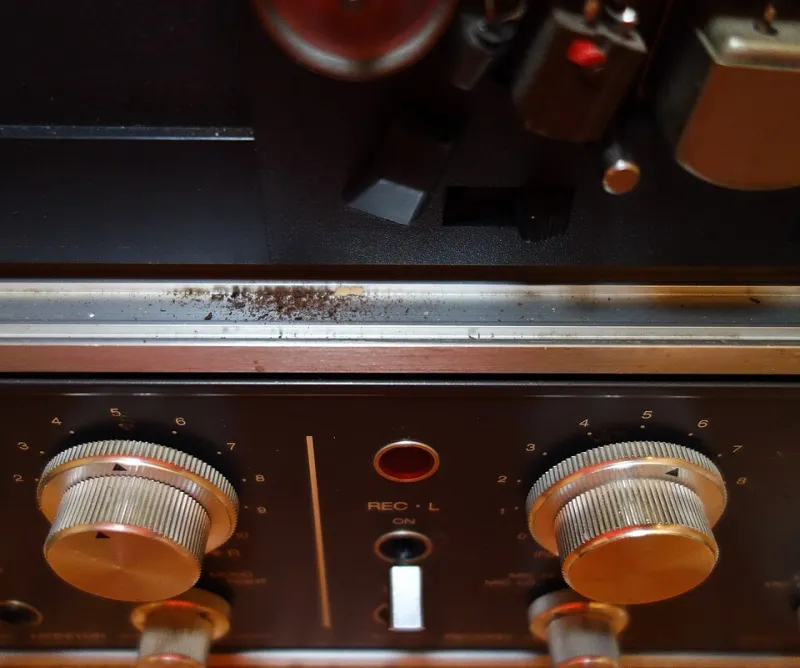
Photo: Danielteolijr, CC BY-SA 4.0, via Wikimedia Commons
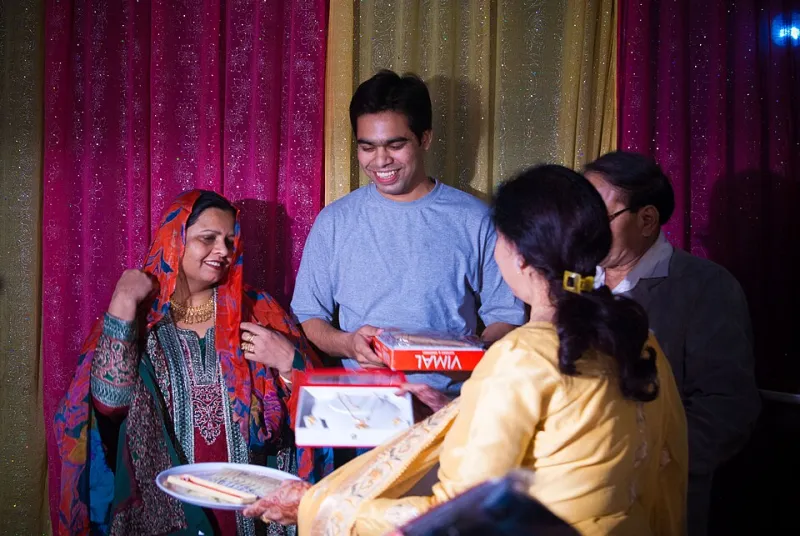
There's a specific sound a wedding tape makes when it's dying. A wet hiss under the shehnai. A wobble in the tracking that turns Aunty's lehenga into a horizontal smear every eleven seconds. If your family shot a shaadi between, say, 1988 and 2003, that hiss is the sound of your entire origin story rotting quietly in a shoebox in a closet in Jersey.
Which is why the guy at the strip mall is booked out until spring.
The Shoebox Has a Waiting List
The family-archive economy is real now. Not the "scan your photos at the library" kind — the other kind. Desi-run shops in Edison and Iselin, in Fremont and Sunnyvale, in Dallas and Sugar Land, have quietly bolted a post-production desk onto whatever they were already doing: passport photos, duplication, the laminating machine. Now the laminating machine shares counter space with a capture deck, and the guy who used to fix your printer is color-correcting your mother's mehndi.
Rates are all over the place — a straight scan-and-stabilize runs a couple hundred bucks, and a full "wedding trailer" package with music and titles can push into four figures. Cheaper than a videographer at your cousin's wedding next month, which is part of the pitch. Editors told me the same thing in slightly different words: the demand isn't coming from people who want to watch the tape. It's coming from people who want to post it.
So the ask isn't "restore my parents' wedding." It's "make me something that lands in the group chat."
A Timeline Is a Point of View
Here's what nobody tells you when they hand over the VHS: the tape is already edited. It was edited the second your uncle decided to keep the camcorder running through the whole baraat and then hit stop during the actual vows because his arm got tired.
Home video is not surveillance. It's aspiration with bad white balance. The camera points at the dancing, the jewelry, the arrival of the groom's car, the pretty cousin. It does not point at the kitchen, where six women were doing the largest single act of labor at the entire event. It does not point at the argument in the driveway. It points at what the family, in 1994, believed was worth remembering.
The new edit doubles down on that. Restoring the tape is one job. Cutting the tape is another, and it's a moral one. Somebody has to sit in a chair and decide whether to keep the shot where the family is laughing at a joke you can't hear, or the shot where the picture is cleaner.
The Missing Aunties
Every archive editor has the same story, told with a specific exhausted patience. The tape arrives with the client's notes. And the notes sometimes say: can you take her out.
Her being the aunt who married outside the community. The uncle nobody speaks to since the property dispute. The grandmother who remarried. The cousin whose life, twenty years later, the family has decided not to discuss at dinners. It's easy — a jump cut, a crop, a pull-quote of some other dancing relative moved over the gap. In a 45-second vertical trailer, almost anyone can be quietly disappeared and no one watching would ever know.
Sometimes the client asks. Sometimes the parents ask. And sometimes the editor just does it, because it's a paying job and the alternative is a phone call that ends badly.
That's the part worth sitting with. Digitization is sold as preservation — a rescue mission, saving the family record from magnetic decay. But the same process is the most powerful editing tool a desi family has ever had, and most families are using it to polish, not to preserve. The hiss goes away. So does the truth, if you ask nicely and pay on time.
Everyone Gets a Premiere
The other shift is distribution. A wedding used to have one audience: the people in the room, plus whoever got shown the tape at a subsequent dinner. Now the tape gets a second, third, and fourth life — the anniversary post, the throwback story, the "found this in a box 😭" carousel that does numbers on a Tuesday.
That's genuinely lovely. It's also a subtle rewriting of what a family function is for. When every event has a potential highlight reel, the people in the room start behaving like they're in one. Watch the 2026 sangeet footage next to the 1996 footage: the older tape is full of people ignoring the camera. The newer files are full of people checking it.
We didn't lose anything. We just outsourced the memory to a feed that has opinions.
What the Shaky Parts Are For
So here's a modest proposal, from someone who has watched more of these trailers than is healthy.
Restore the tape. Do the scan, do the stabilization, do the color grade if it makes your dad tear up. Then keep the long version somewhere your kids can find it — the baraat that goes on too long, the mic feedback, the 40 seconds where the camera is pointed at the floor and all you can hear is your mother laughing at something off-screen.
And before you let anyone cut a single frame, ask who's being cropped out and why. If the answer is "family politics," that's an argument, not an edit. Put it in the notes. Keep the person in.
The tape was already a point of view. The least we can do is refuse to make it a smaller one.
Thirty years from now, somebody is going to digitize your wedding. Give them something honest to work with.