The Stove Has a Story: Why Desi Food-Memory Nights Are Outselling Open Mics
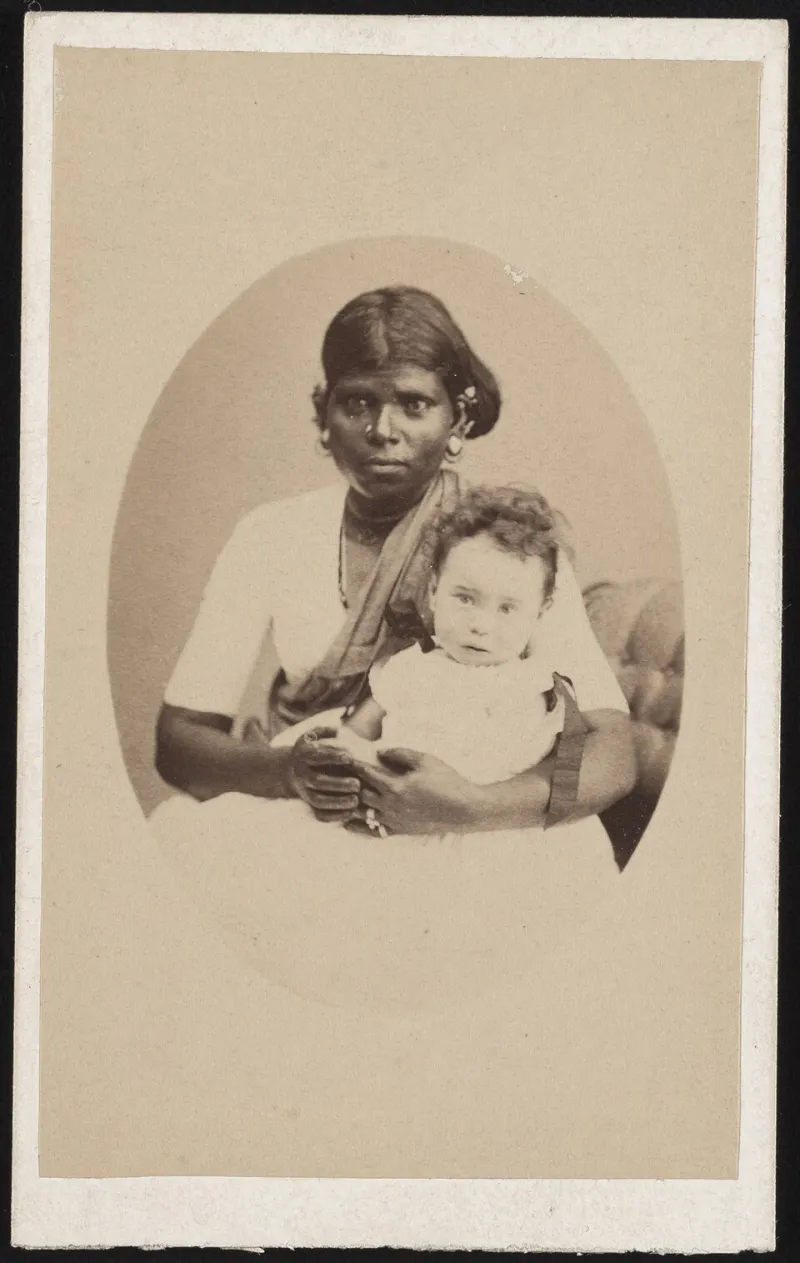
Photo: Liljenquist Family Collection of Civil War Photographs, Public domain, via Wikimedia Commons
The first thing you hear at The Partition Pantry isn't a joke. It's a pressure cooker.
On a Thursday night in Brooklyn, about 180 people are packed into a converted warehouse with folding chairs and a cardamom-scented merch table. Up front, a 27-year-old performer named Simran Kaur is describing her grandmother's dal — the one she made on a kerosene stove in Lahore before 1947, the one she remade in Delhi with half the spices and twice the silence. Kaur doesn't cry. She doesn't need to. She lists ingredients like a will. The audience is dead quiet, except for the person near the back spooning mango kulfi into a paper cup.
The show, now in its third season, sold out six nights in 2026 before the lineup was even announced. Tickets start at $24 and resell for more. That's not unusual anymore. Across the US — Brooklyn, Jersey City, Chicago, Houston, the Bay Area, Los Angeles — live food-memory nights are becoming the most reliable sellout in desi creative circles. The format is simple: eight to twelve performers, ten minutes each, one family recipe, one story that refuses to stay in the group chat. Some are funny. Some are devastating. Most are both. And they're moving faster than comedy open mics.
The recipe is the script
Organizers say the appeal is obvious: food is the only archive everyone in a South Asian family actually trusts. You can argue about politics, marriage, and whether the cousin's wedding was too extra. You can't argue with the smell of ghee hitting a tempering pan.
Zoya Merchant, co-founder of Mirchi & Memory, a Jersey City series that has staged 14 shows since 2024, says the first event was supposed to be a one-off in a 40-seat café. They had 90 RSVPs in 48 hours. 'We thought we were doing a cute little storytelling night,' she says. 'Then aunties started emailing us recipes. Then their kids started emailing us the parts the aunties left out.'
By 2026, Mirchi & Memory was hosting 250-person shows with a waitlist, a recipe zine, and a sponsorship from a South Asian pantry brand. Merchant is careful about the word 'product.' But she's also clear: the shows sell because they feel like the opposite of content. No ring light. No 'tell us your trauma in 15 seconds.' Just a person, a microphone, and the sound of someone remembering.
That intimacy has become a business model. Tickets for food-memory nights in Chicago and Houston now range from $18 to $45. Performers typically get a small stipend — $50 to $150 — plus a cut of merch. Some shows donate a portion of proceeds to food justice organizations. Others are booking corporate events. The Partition Pantry, which started as a monthly in a Brooklyn café, now runs a quarterly show at a 300-seat venue and has a deal with a streaming platform for a filmed special. Naturally, the special is sold out too.
Why it's outselling open mics
Comedy open mics are crowded, and the stakes are weirdly high: five minutes, a brick wall, a room full of other comics waiting to go up. Food-memory nights offer something different — permission. You don't have to be funny. You don't have to be polished. You just have to be specific.
'When I perform my stand-up, I'm always editing for the white gaze,' says Anika Rao, a 29-year-old performer from Jersey City who has done both. 'At a food show, I can say my mom's biryani and not explain what biryani is. I can say my dad's post-divorce omelet and everyone knows exactly what that means. It's not just an audience. It's a room of people who already know the language.'
Rao's piece is about the Thanksgiving her mother tried to make a turkey biryani and accidentally invented a new family holiday. It kills. But she says the first time she performed it, she cried in the green room. 'It wasn't even a sad story,' she says. 'It was just the first time I'd said the whole thing out loud without making it a joke first.'
That's the emotional engine of these shows. The diaspora has spent decades being told its family stories are either too much or not enough — too tragic for the dinner table, too boring for the algorithm. Food-memory nights flip that. They treat the grandmother's recipe as a primary source. The migration anecdote is not a footnote. The disastrous holiday dish is not a punchline. It's a plot.
The fine line between archive and content
But the sellouts raise a question the organizers are already arguing about: when unfiltered family history becomes the diaspora's most bankable cultural product, who gets to cash the check?
Merchant says her team has a rule: no one is required to perform trauma. They don't ask for the worst thing that happened to your family. They ask what you ate after. Performers sign a consent form, and organizers do a check-in before showtime. The shows are also mostly desi audiences — not a tourist crowd looking for a multicultural night out. That matters. A story told to your own people lands differently than a story told to a room of strangers who want to feel something.
Still, the line is thin. A recipe can be a doorway to Partition, to migration, to a mother's divorce, to a father's quiet year after losing a job. It can also be flattened into a three-minute clip with a sad piano track. Some performers worry that the format's success will turn family history into a genre — the sad aunty monologue, the funny biryani story, the Partition one. Merchant admits she's turned down brand partnerships that wanted to use the shows as a backdrop for product placement. 'We're not a mood board,' she says. 'We're a room.'
That tension is probably why the shows feel alive. They're not pretending to be pure. They're charging money, selling zines, filming specials. But they're also making space for the kind of messy, specific, unoptimized stories that don't fit in a group chat or a family WhatsApp. The Partition Pantry's name is a little on the nose. So is the fact that it sells out. The pantry isn't empty because the stories ran out. It's sold out because people are finally willing to pay to hear them.
The lights go up. The pressure cooker hisses somewhere offstage. And for ten minutes, the recipe isn't just a recipe. It's the whole family, on the record.